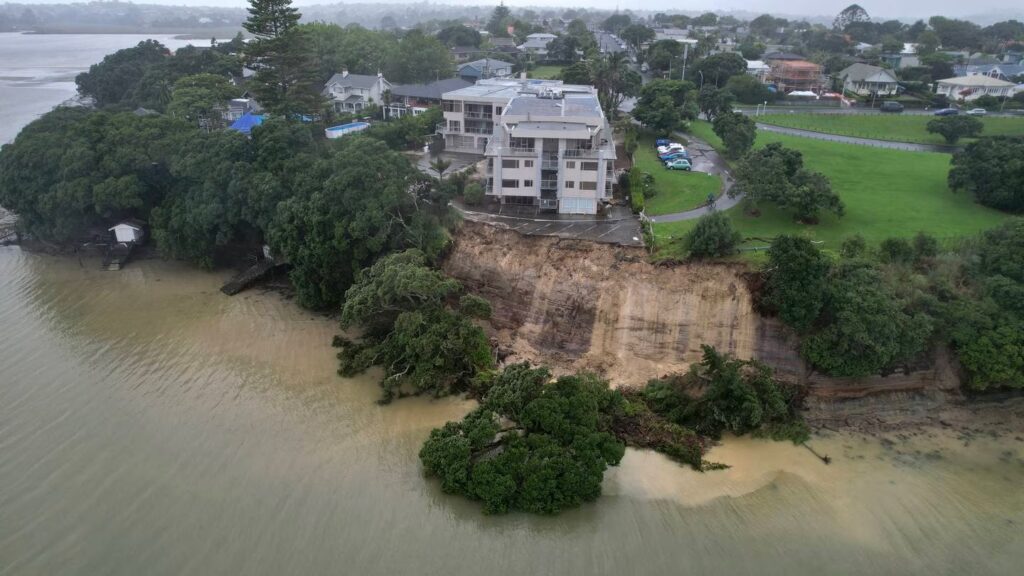
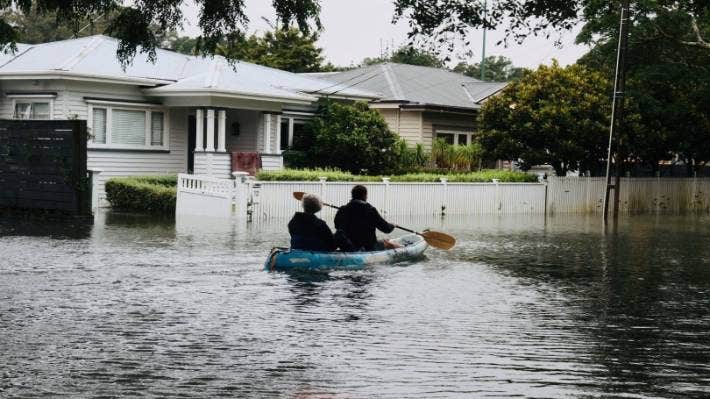
As we head into winter, in many places in Auckland we see different levels of natural hazards becoming more obvious- a little (or a lot) of flooding during storms, that cliff at the beach eroding a bit more or maybe that old slip on the side of the road opening up again. Natural hazards are becoming more and more visible in New Zealand, and we need to understand them well when looking at buying or developing property.
Why?
Natural hazards not only have a physical impact on the land and the people who will live there or use it but can also impact on insurances (in some cases your ability to even get insurance), mortgages and development.
Section 72 of the Building Act
We’re also seeing council’s use Section 72 of the Building Act more often- this signals that the land is subject to a known natural hazard, and that the council has limited its liability for any future damage caused by the identified hazard. This notice also impacts insurances, lenders and property development.
Proposed Plan Change 120
You may have heard of Auckland Council’s Proposed Plan Change 120 (PC120). You can find out more about Proposed Plan Change 120 here and view the PC120 maps here. This proposed change to the Auckland Unitary Plan provides for housing intensification and more stringent management of natural hazards. While it’s still working its way through the plan change process (submissions, hearings etc), the natural hazard aspects of PC120 have immediate legal effect.
That means you must comply with them now. In Auckland, this can include:
- Flood Hazards
- Coastal Hazards
- Landslide Hazards
If your site is affected by flooding or landslide risk, you can find out more about what this means for your development here (flood hazards) and here (landslides). In many cases, resource consent will be required for development of new dwellings, additions and alterations, earthworks and subdivision. We recommend getting advice about these natural hazards early to make sure your project responds to these and to reduce the need for costly redesign and delays later in the process.
Is my site affected?
In Auckland, a great place to start is the Council’s Geomaps. This will provide you with a high-level guidance on the locations of flood hazards and landslide risk areas. You can learn how to find and use the maps here (flood hazards) and here (landslides).
Developing?
If you’re developing land that’s affected by natural hazards, make sure you get good planning and engineering advice up front. This will ensure you understand the sites constraints, where development could occur, what that looks like, where access should be and areas to avoid. This can then inform your development or subdivision plan and be used as the basis for work by others such your architect or designer.
Let’s talk
If you’re looking at developing a site, get in touch with us at Planning Plus. With over 65 years of experience, including over 35 years processing resource consent applications for Council’s, we will assist you with the process, along with the management of your resource consent application. You can contact us on hello@planningplus.co.nz or (09) 427 9966.

Hannah Thomson is Director of Planning Plus® and has over 20 years of resource management experience working in both local government and the private sector. This includes five years at Rodney District Council in roles including Senior Planner and Team Leader.
Hannah has a wide range of experience including commercial, rural, residential and coastal development and subdivision on small to large scales and appearances at both Council and Environment Court as an expert witness for mediation and hearings. Hannah has assisted Councils with policy development and has also assisted private individuals with submissions to Council.